Restoring Rare Species and Protecting Globally Important Habitats at Panshanger Park
“We’re incredibly proud that Panshanger Park was selected as one of the new homes for the Scarce Tufted‑sedge. This is a truly special site with a rich history of supporting wildlife and it’s great to see it playing a role in the recovery of one of the UK’s rarest plants.”
Michael Charlton, Estates Manager – Panshanger Park
Panshanger Park, our 1,000‑acre former quarry landscape, continues to demonstrate the power of long‑term stewardship, scientific collaboration and hands‑on conservation. In 2025, two major initiatives showcased the park’s ecological importance: the reintroduction of one of Britain’s rarest wetland plants, the Scarce Tufted‑sedge, and renewed efforts to protect the park’s globally rare chalk river habitat along the River Mimram. Together, these projects highlight how Tarmac’s management practices support nature recovery on a landscape scale while creating spaces that inspire and educate thousands of visitors each year.
Giving a Critically Endangered Wetland Plant a New Future
Once surviving at just a single known location in the UK, the critically endangered Scarce Tufted‑sedge (Carex cespitosa) faced an uncertain future. Selected in 2025 as one of its new homes, Panshanger Park formed part of a major conservation effort to
give the species a new opportunity to recover.
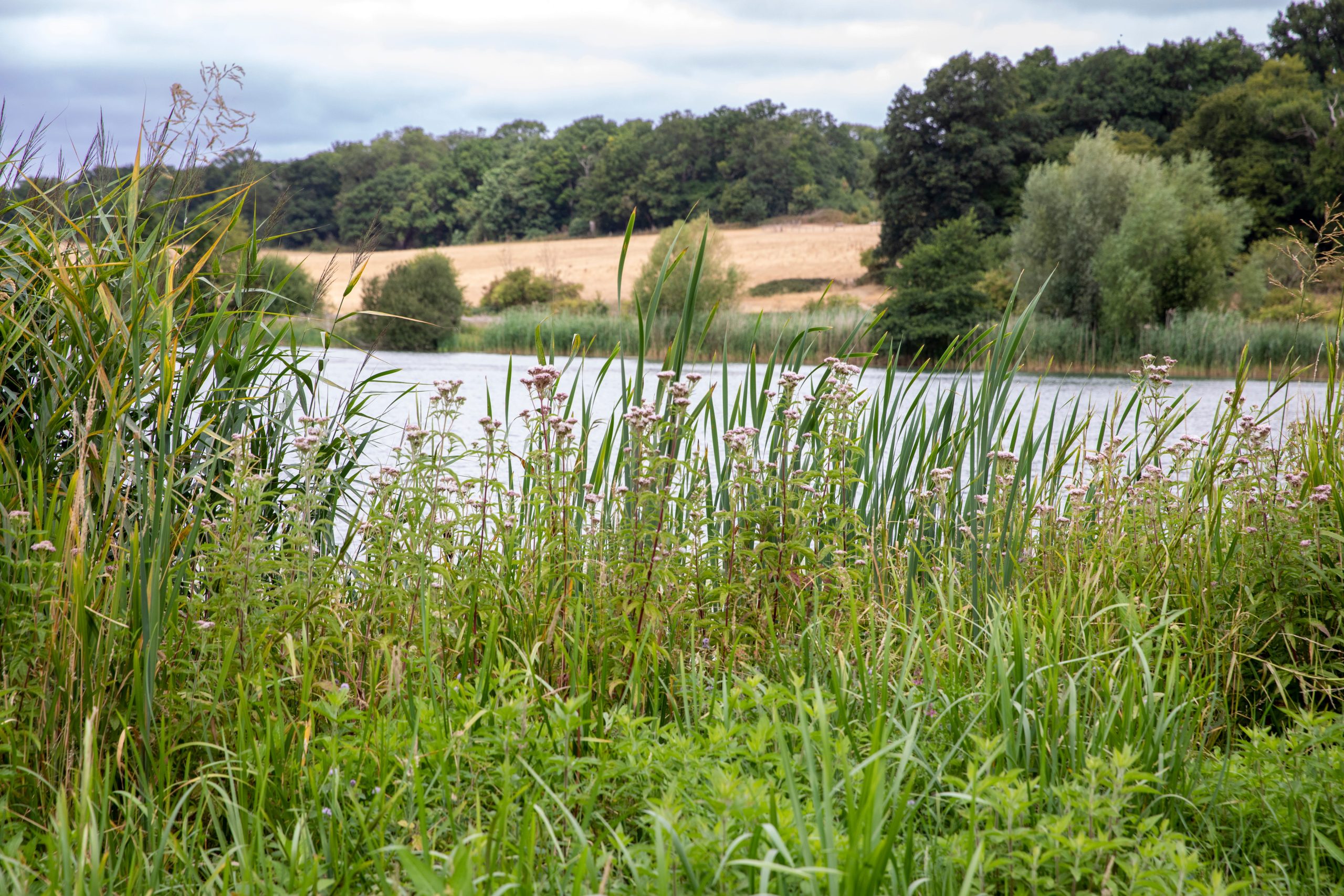
More than 900 plants were cultivated at the specialist nursery at Nosterfield Nature Reserve, a restored Tarmac quarry in North Yorkshire managed by the Lower Ure Conservation Trust. At Panshanger, the ranger team created a series of wetland scrapes within Broadwater Marsh, designed to mimic the muddy, waterlogged conditions the sedge depends on.
With the support of fifteen dedicated volunteers, 375 young plants were successfully introduced into the newly prepared habitat. Early establishment has been encouraging, giving this critically endangered species a far more secure footing after decades on the brink of extinction.
Michael Charlton, Estates Manager at Panshanger, reflected on the significance of the work:
“We’re incredibly proud that Panshanger Park was selected as one of the new homes for the Scarce Tufted‑sedge. This is a truly special site with a rich history of supporting wildlife and it’s great to see it playing a role in the recovery of one of the UK’s rarest plants. This project is a great example of what can be achieved through collaboration, careful planning and a shared commitment to restoring nature.”
The project team’s efforts were equally recognised by Astrid Biddle, consultant ecologist:
“I cannot thank Panshanger Park enough for all your help and the really slick team effort! The volunteer team thought for themselves, asked sensible questions, and it was a truly outstanding effort from all of you.”
Astrid Biddle, consultant ecologist
The reintroduction demonstrates how evidence‑led restoration, supported by skilled rangers, volunteers and specialist partners, can give critically endangered species a realistic chance of long‑term recovery.
Protecting One of the World’s Rarest Habitats: The Panshanger Chalk River
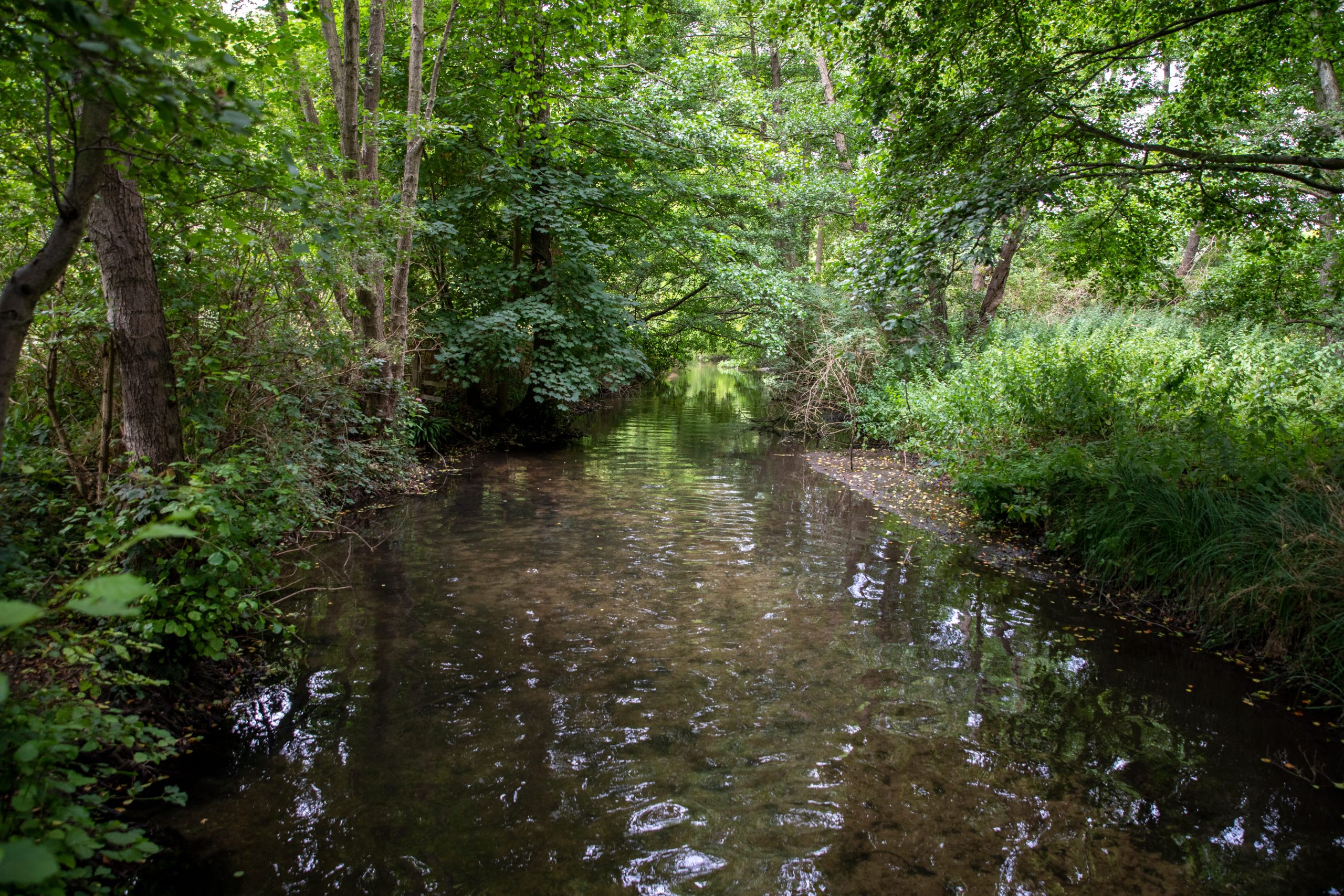
Running through the heart of Panshanger Park is one of the world’s rarest natural features: a chalk river. With only around 200 chalk rivers globally, almost all of them in England, the stretch of the River Mimram that flows through the park represents a globally significant habitat.
Fed by underground aquifers filtered through chalk bedrock, the river is cool, clear and oxygen‑rich, creating ideal conditions for species that can only survive in the purest freshwater systems. At Panshanger, this includes brown trout and grayling, endangered water voles, mayflies, damselflies, and rare aquatic plants such as water crowfoot.
This diversity makes the river both an ecological stronghold and an exceptional educational resource for the local community. In 2025, Panshanger hosted Hertfordshire’s first Chalk Stream Challenge in partnership with the Herts and Middlesex Wildlife Trust, a fun, interactive trail designed to help visitors understand why chalk rivers are so important and how they support fragile ecosystems. While the event provided public engagement, the wider focus remains firmly on long‑term protection.
Tarmac’s stewardship has included years of more sustainable land management, riverbank protection, woodland conservation, and meadow creation surrounding the Mimram. This has ensured that
the chalk river remains protected for sensitive wildlife, supported by connected habitats, and accessible and resilient for future generations.
Panshanger’s landscape today reflects a legacy of restoration work carried out alongside responsible sand and gravel extraction, work that continues to safeguard its nationally and globally significant habitats.
Looking Ahead
The reintroduction of the Scarce Tufted‑sedge and the ongoing protection of Panshanger’s chalk river highlight the park’s role as a living example of nature‑led restoration. Through long‑term conservation planning, volunteer involvement, specialist partnerships and careful land management, Tarmac continues to ensure that Panshanger Park offers refuge for rare species, supports thriving ecosystems, and provides a place where people can learn about the natural world.
As both projects progress, they underscore a shared commitment: that even within landscapes shaped by industry, nature can return, recover and flourish when given the right space, expertise and stewardship.