Restoring Rare Habitats Through Responsible Land Stewardship at Tunstead
“As long-term land custodians, we are committed to enhancing biodiversity across our sites. This project provided a great opportunity to re-establish calcareous grassland at Tunstead and protect this very rare habitat.”
James Rhodes, Restoration Manager at Tarmac
Tunstead Quarry, one of Tarmac’s largest operations, spanning Derbyshire and the Peak District National Park, continues to demonstrate the company’s long‑standing commitment to responsible land management and biodiversity enhancement. Sitting in a sensitive landscape Tunstead supplies aggregates nationally via its rail connections, supporting major infrastructure and building projects, as well as the cement production undertaken at the site. Its restoration programmes play a crucial role in ensuring the site not only supports the UK’s construction needs today but also protects and enhances nature for the future.
Tunstead’s restoration approach is grounded in the character of the White Peak, using techniques to create the defining landscape of the area. These methods help to recreate the rolling limestone pastures that define the region and supports a rich mix of habitats across more than 500 hectares of operational land.
Reviving a Nationally Rare Habitat at Flag Dale
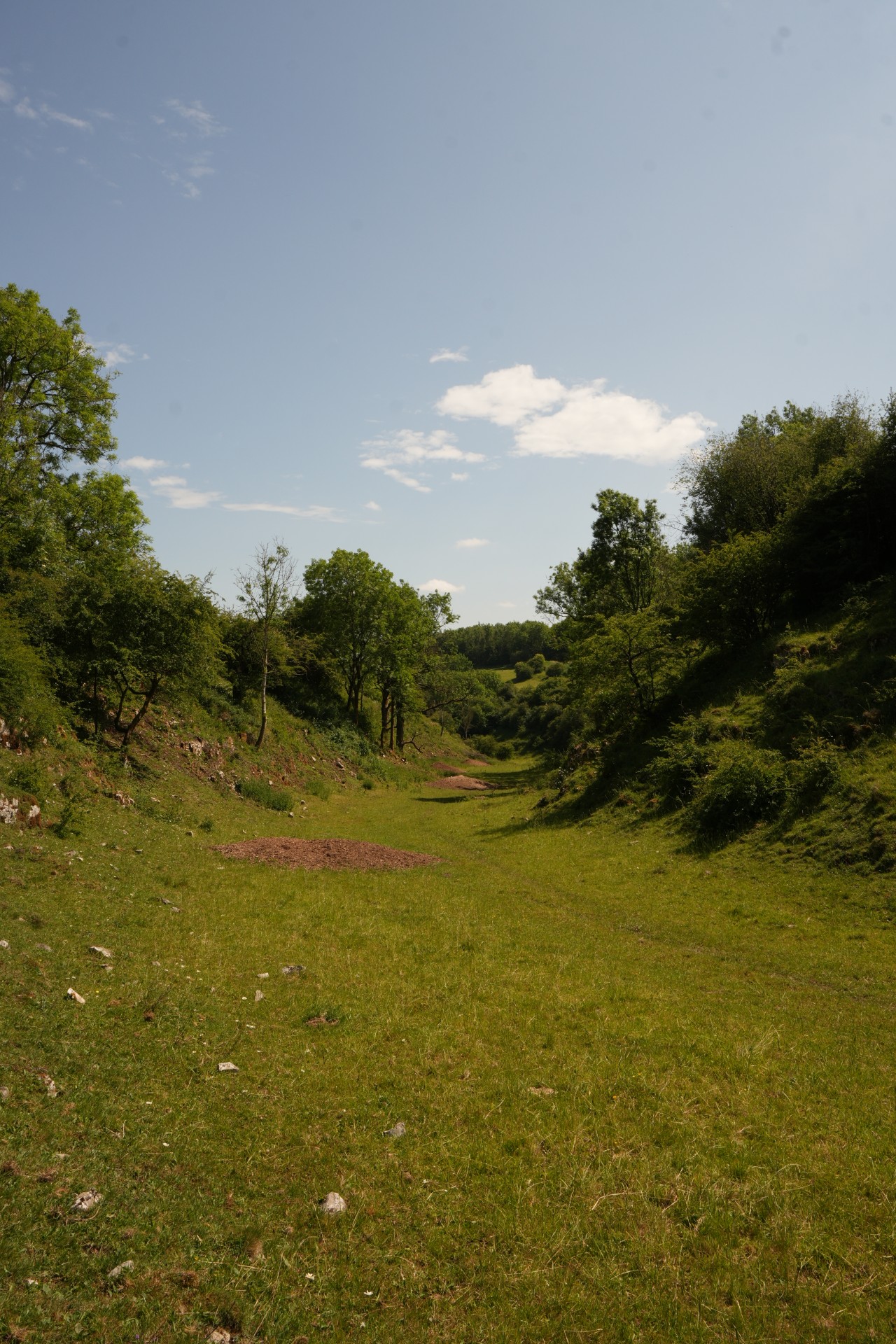
In 2025, the Tunstead team delivered a significant biodiversity project at Flag Dale. As part of the site’s long‑established Biodiversity Management Plan (BMP), more than four acres of dense scrub were cleared to restore calcareous grassland, one of the UK’s most threatened habitats.
Over the past century, around 90% of species‑rich grassland has been lost due to changes in land use. These habitats, which can support up to 40 species per square metre, rely on traditional management methods such as coppicing and livestock grazing. By removing the encroaching scrub, the team enabled sunlight to reach the ground once more, allowing native herbs and wildflowers to re‑establish and thrive.
Early signs of recovery include the return of important limestone flora such as cowslips, pyramidal orchids and rockroses, species closely associated with Peak District calcareous grasslands and vital to the wider ecological network.
The work was led by the Tunstead operational team and supported by Tarmac’s Restoration Manager, with environmental delivery carried out by Terra Analytical. The project strengthens habitat resilience and contributes directly to conservation priorities
set by the Peak District National Park Authority.
James Rhodes, Restoration Manager at Tarmac, reflected on the importance of the initiative:
“As long-term land custodians, we are committed to enhancing biodiversity across our sites. This project provided a great opportunity to re-establish calcareous grassland at Tunstead and protect this very rare habitat. With more than 187,000 acres of land under our stewardship, managing these assets in an environmentally responsible way is extremely important to us.”
“We were really pleased to support Tarmac on this important restoration project. The Flag Dale project is a great example of how effective partnership working can deliver real biodiversity gains, encourage the return of native species and contribute to long-term conservation targets in the Peak District.”
James Bairstow, Director
A Long-Term Commitment to Nature Recovery
The Flag Dale restoration builds on nearly two decades of structured biodiversity planning at Tunstead. The site’s Biodiversity Management Plan, first established in 2007, shapes restoration and enhancement activities across both worked and unworked land. Alongside major restoration works within the quarry itself, the team continues to identify opportunities on surrounding land to further strengthen ecological networks.
An additional two hectares of limestone grassland rehabilitation was completed in 2025 elsewhere on site, again removing scrub to create space for finer, floristically rich species. These efforts, combined with Tunstead’s landscape‑scale restoration design, demonstrate Tarmac’s holistic approach to more sustainable land stewardship, balancing mineral extraction with long‑term environmental value.
Looking Ahead
The calcareous grassland restoration at Flag Dale reflects Tarmac’s wider commitment to restoring and enhancing nationally important habitats. By applying traditional land management techniques, working closely with regional restoration specialists and aligning with Peak District National Park conservation targets, the Tunstead team is helping secure the long‑term recovery of one of the UK’s rarest ecosystems.
As Tunstead continues its restoration journey, its approach showcases what responsible quarrying can achieve, supporting biodiversity, strengthening ecological resilience and ensuring that landscapes within and around active sites are left richer, more diverse and better connected for generations to come.