Bringing Nature Into the Heart of Industry at Tunstead
“I came up with the idea of ‘Honeycrete’ and we marketed our honey to look like a Blue Circle Cement product. We are all delighted it’s done so well.”
Josie Shereston, Head Beekeeper and Environmental Coordinator
At Tunstead cement plant, a unique blend of hands‑on environmental care and employee-led enthusiasm has helped a small idea grow into one of Tarmac’s most charming and impactful nature-led initiatives. Throughout 2025, the site’s beekeeping project continued to thrive, reflecting Tunstead’s broader commitment to enhancing biodiversity and creating welcoming green spaces across its industrial landscape.
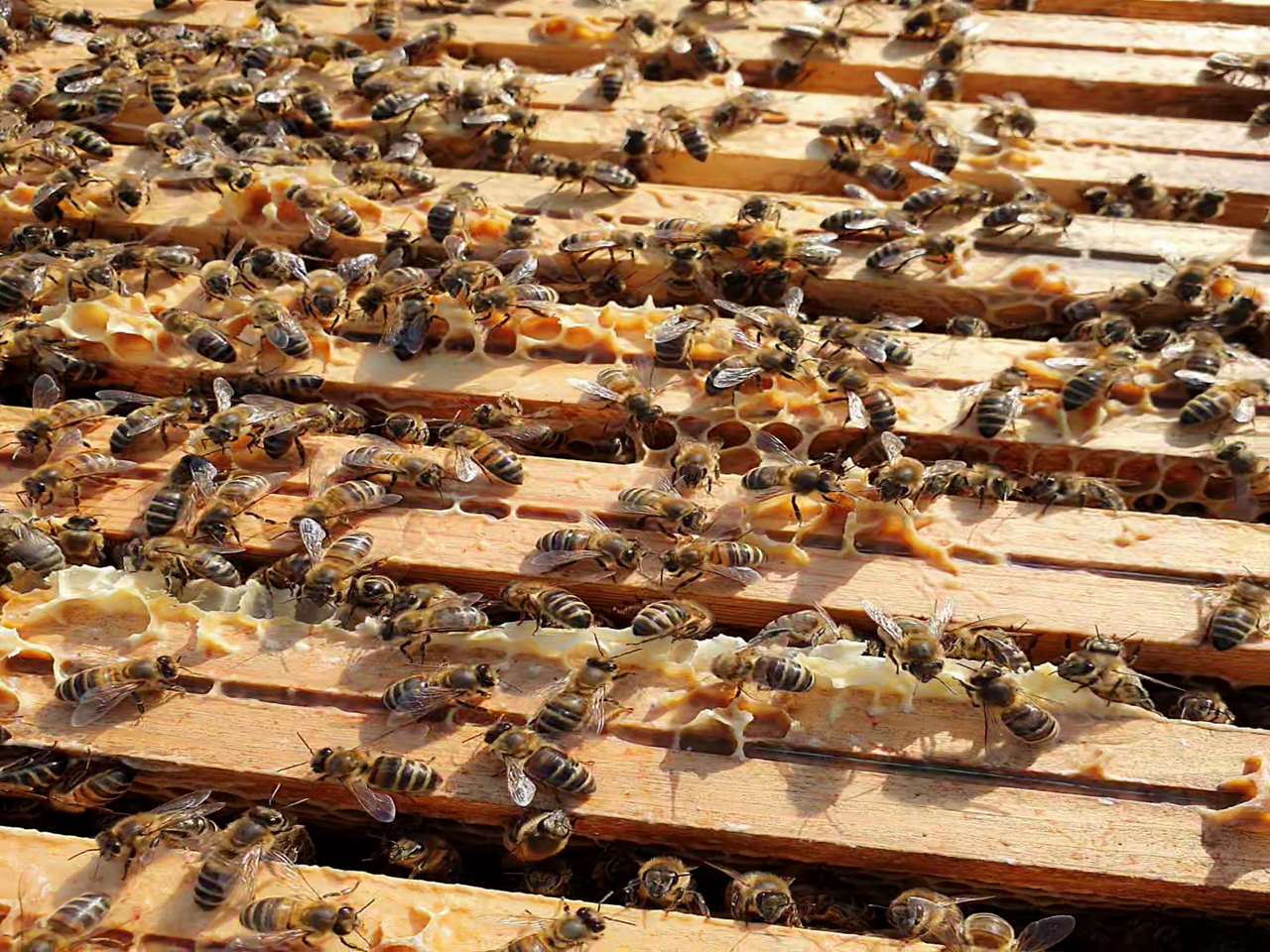
What began as an effort to boost local pollinator numbers has expanded into a thriving on‑site apiary, with around 100,000 honeybees now settled into three hives. Supported by expert guidance from Dr Mary Cook, the volunteer beekeeper team has learned to build frames, monitor colony health and manage seasonal risks, including vigilance for the Asian hornet. Their dedication paid off this year: all colonies successfully overwintered, and the team produced around 300 jars of “Honeycrete”, raising over £800 for the site’s 2025 charity, Blythe House Hospice.
Beekeeper and Environmental Coordinator Josie Shereston described the year’s experience:
“In our first year of keeping bees we have learnt how to build the frames, check the bees are healthy, and look out for the risks of Asian hornets!
The extraction process is fun and relaxing, and you get to appreciate just how hard our little bees have worked all summer. I came up with the idea of ‘Honeycrete’ and we marketed our honey to look like a Blue Circle Cement product. We are all delighted it’s done so well.”
Josie Shereston, Head Beekeeper and Environmental Coordinator
Creating Space for Nature: Seven Acres of Green Transformation
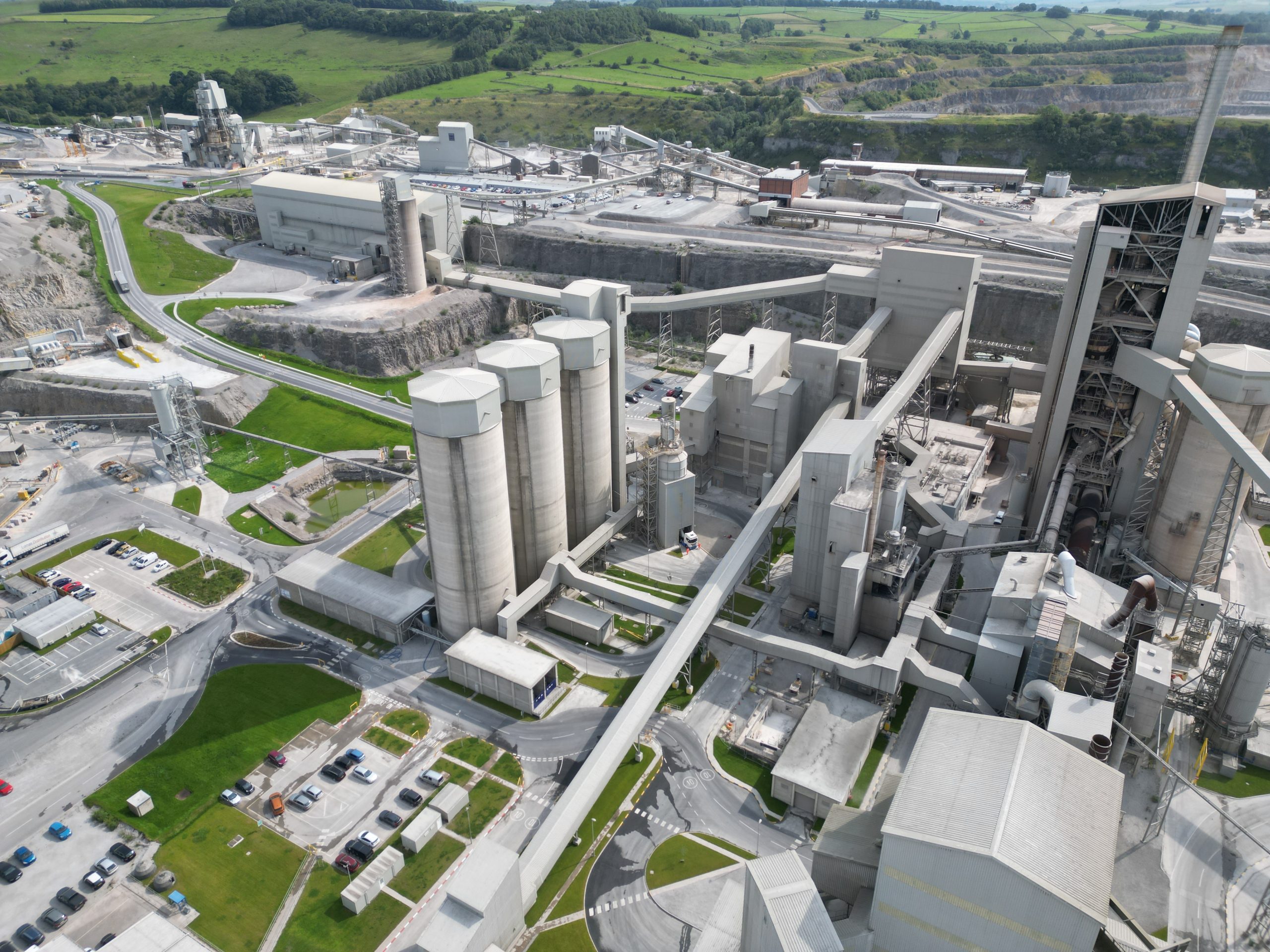
The thriving bee colonies sit within over seven acres of gardens, wildflower meadows and green spaces developed around the base of the Tunstead quarry. These areas include planted borders, lawned sections and carefully designed resting spots, all introduced to soften the industrial landscape and create a more welcoming environment for employees, visitors and wildlife.
These green spaces now provide essential habitats for pollinators, birds and other species, supporting natural pollination cycles and strengthening local biodiversity. The arrival of the bee colonies has further enhanced ecological activity across the site, ensuring the gardens and meadows are rich, vibrant and seasonally diverse.
The project reflects Tunstead’s long-standing approach to responsible land stewardship, balancing operational needs with the creation of accessible natural spaces that support wellbeing, learning and environmental enhancement. As one of the area’s major employers and a long-established part of the Peak District landscape, the cement plant continues to demonstrate how industrial sites can play a positive role in local ecology.
A Volunteer Community Driving Positive Impact
The beekeeping team, which includes colleagues from finance, fabrication, security, technical analysis, project management and process operations, has shaped the initiative into a standout example of employee-led environmental action. Their willingness to learn new skills and spend time caring for the hives has strengthened their connection with the site’s green spaces while supporting a blend of sustainability, creativity and charitable giving.
The success of “Honeycrete” has also helped raise awareness across the site about pollinator health, encouraging more colleagues to get involved and inspiring ideas for future nature projects across Tunstead.
Looking Ahead
Tunstead’s beekeeping initiative demonstrates how small, creative ideas can grow into powerful examples of nature-positive action. By nurturing thriving bee colonies, expanding biodiverse green spaces, and donating proceeds to local charities, the project brings together environmental enhancement, employee engagement and community impact.
As the Tunstead teams continue to build on the success of their greening and biodiversity programmes, the beehives stand as a positive reminder of what can be achieved when industry, nature and people work in harmony